Walser Museum
Back to all places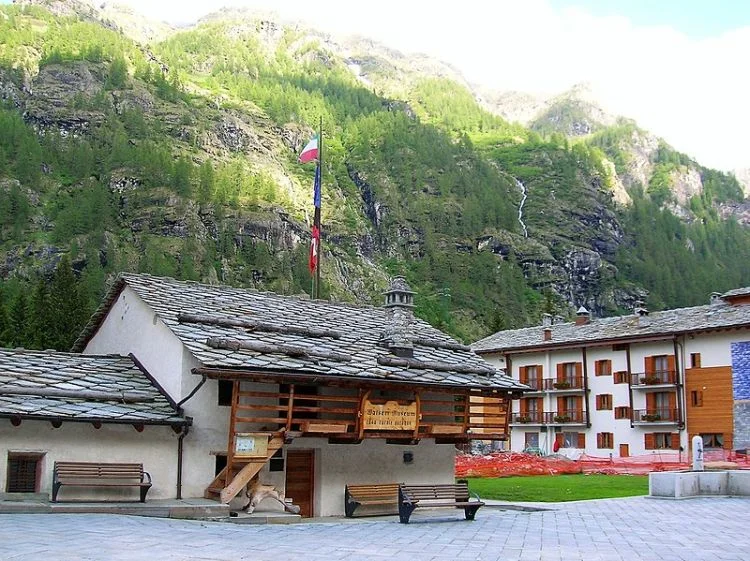
The Museum Walserhaus Gurin is located in the characteristic Walser village of Bosco/Gurin and is the oldest ethnographic museum in the Canton of Ticino. It is managed by the Walserhaus Gurin Association.
The Association founded in 1936 intends to maintain and upgrade the Walser culture and language of Bosco/Gurin, the so-called Ggurijnartitsch. In particular, the Association intends to: protect the historical, cultural and linguistic heritage of the Gurin Walser community; support and encourage projects aiming to deepen knowledge and understanding of Guirn Walser origins, history, language and customs among the local community and further afield; present in the ethnographic Museum Walserhaus the history and culture of the Gurin Walser community and of the neighbouring Pomatt Valley Val Formazza.
The Association counts more than 300 members and is ruled by a Committee where the local authorities and bodies are represented. The execution of the museum’s activities is carried out by a curator helped by a guardian; both live in the village and are supported by numerous volunteers. The habitation museum is unique and not only attracts many visitors (more than 3’000 every year) from all over Switzerland and from abroad, but also has the function of enhancing the Gurin community’s sense of cohesion through a host of activities and of maintaining the links to other Walser communities all over the Alps.
The Museum Walserhaus was opened in 1938 as the first ethnographic museum in the canton Ticino. For this purpose, a very old house from 1386 was made awailable and could therefore be preserved in its original structure. From the beginning, the exhibition grew steadily. In 2006 the permanent exhibition was completely reorganized. Since then, the exhibition concept has expanded to include the nearby barn and the vegetable garden in front of the museum. Since 2009, the museum received another barn in which there is space for temporary exhibitions or handicraft workshops. In 2016, a project was launched to update and modernize the exhibition with a particular focus on upgrading the architectural heritage, the collection and the Ggurijnartitsch through an innovative method of presentation. Thanks to the project, the jobs of the curator and the guardian were preserved and work opportunities were offered to the residents and craftsmen of the village. The current exhibition, inaugurated in 2018, can now be seen in its modern form with updated technical infrastructure. In 2020 the Museum Walserhaus was nominated for the European Museum of the Year Award (EMYA). In 2021 it won the Meyvaert Award for Sustainability that goes to a museum which demonstrates an exceptional commitment to social, economic and environmental sustainability in how it operates and/or how it presents issues of sustainability in its displays and programmes.
https://en.wikipedia.org/wiki/Museum_Walserhaus
Photo: Patafisik
47.11848, 9.54295